What Is Esports? Competitive Gaming Leagues, Economics, and Career Paths Explained
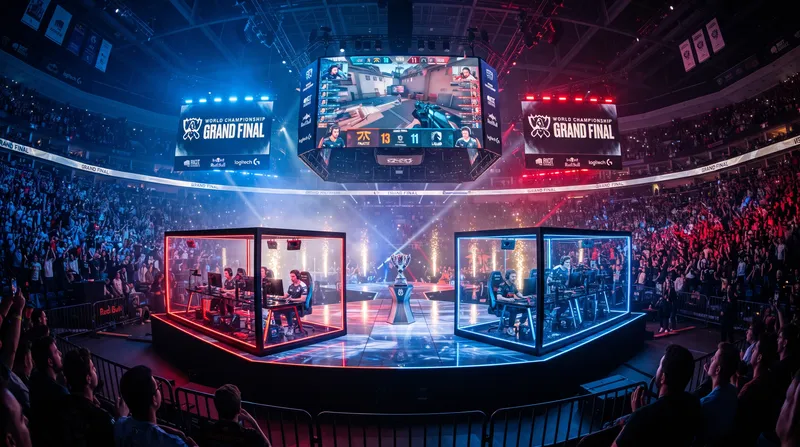
Esports (electronic sports) refers to organized, competitive video gaming in which individual players or multi-player teams compete in structured tournaments, leagues, and championships for cash prize pools, trophies, and regional titles. While casual gaming prioritizes entertainment or narrative progression, competitive e gaming places players under standardized rulesets, anti-cheat enforcement, and live broadcast scrutiny.
At EsportsDriven, our editorial coverage spans every layer of the competitive ecosystem from our ranking of the top esports games dominating global tournaments to structural breakdowns of how esports tournaments design Swiss and double-elimination brackets.
Here is the complete foundational overview of how competitive gaming functions, who controls the leagues, and how the modern industry sustains itself.
How Modern Esports Ecosystems Are Structured
Unlike traditional sports such as football or basketball where no private corporation owns the underlying rules of the game every esport is intellectual property owned by its software publisher. That ownership dictates two distinct competitive models:
| Competitive Model | Operational Structure | Prominent Examples |
| Publisher-Operated Partner Leagues | The game developer directly organizes regional leagues, sets roster rules, and hosts international Masters or World Championships. | Valorant (VCT), League of Legends (LCK, LEC, LCS, LPL), Overwatch (OWCS) |
| Open Third-Party Circuits | Independent tournament organizers (such as ESL, BLAST, and PGL) host international events featuring open qualifiers and ranking-based invitations. | Counter-Strike 2, Dota 2, Rocket League, Fighting Game Community (Evo) |
The Core Pillars of Professional Competition
Sustaining a Tier-1 competitive title requires four interconnected components working in tandem:
-
Competitive Integrity and Balance: Developers deploy regular balance patches, enforce kernel-level anti-cheat clients, and standardize hardware peripherals on LAN stages so match outcomes reflect mechanical skill and tactical preparation rather than software exploits or network latency.
-
Franchised and Independent Organizations: Professional clubs such as Team Liquid, Fnatic, T1, G2 Esports, and Edward Gaming sign salaried rosters, employ head coaches and data analysts, and operate dedicated training facilities. As examined in our breakdown of how esports teams make money, organizations fund operations through commercial sponsorships, digital in-game skin revenue sharing, and media networks.
-
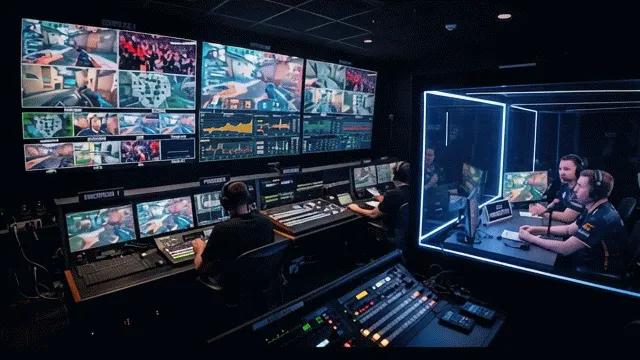
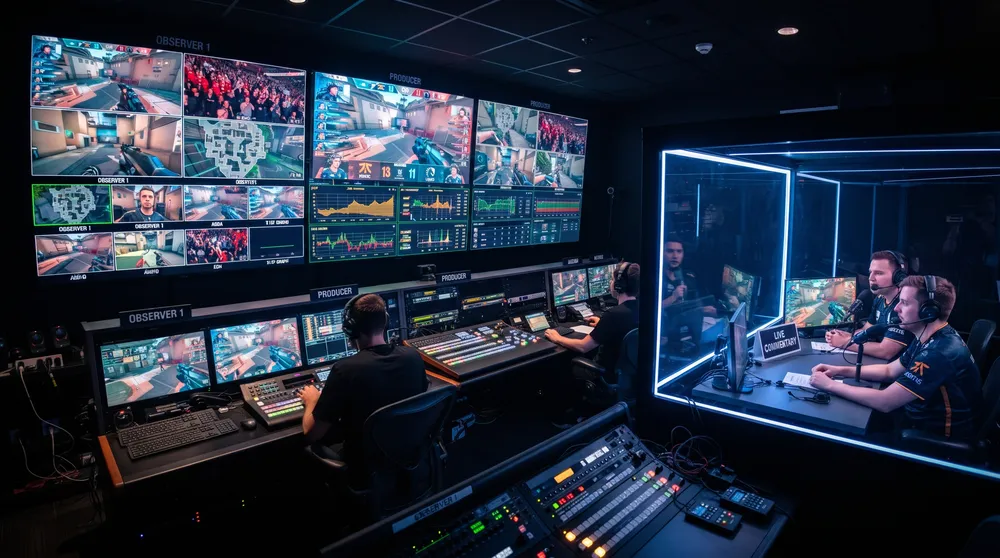
Live Broadcasts and Co-Streaming: Matches stream globally across Twitch, YouTube, Kick, and regional platforms, utilizing dedicated in-game observers, play-by-play casters, and authorized watch-party co-streamers.
-
Grassroots Scouting Pathways: In-game ranked ladders, collegiate leagues, and open qualifier tournaments allow unsigned amateur rosters to defeat established organizations and earn professional contracts.
Career Paths Beyond Competing on Stage
While starting players attract primary spotlight coverage, professional esports organizations and tournament operators rely on specialized behind-the-scenes roles:
-
Coaching and Analytical Staff: Head coaches, assistant strategists, and performance psychologists manage map vetoes, review VODs, and track opponent tendencies.
-
Broadcast and Production Talent: Shoutcasters, desk analysts, observers, and broadcast directors translate complex, high-speed in-game mechanics into clear storylines for viewers.
-
League Operations and Refereeing: Tournament administrators manage rulebooks, verify player hardware, and adjudicate technical pauses during online and LAN events.