
Is Gengar a Dead Clefable? Exploring the Classic Pokémon Theory and Design Clues
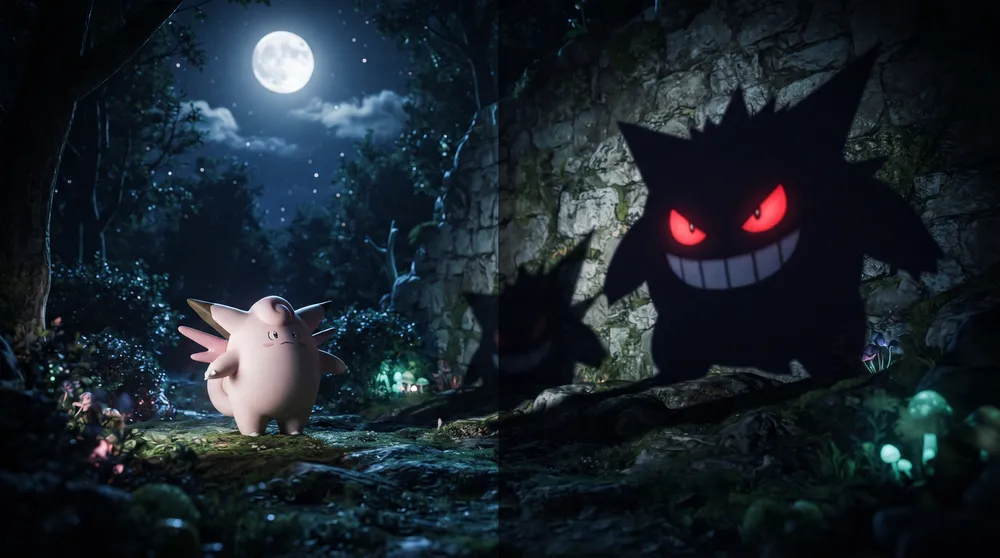
Few gaming franchises boast community lore as enduring as Pokémon. Decades after the launch of Pokémon Red and Blue, fans continue to analyze early developmental choices, pushing searches for is gengar a dead clefairy and the Clefable shadow theory into breakout territory.
Building on our vintage collection analysis in the Gengar #94 Expedition and 30th Anniversary guide, examining early character design reveals why the parallel between Gengar and the Clefairy evolution line remains compelling.
Here is an objective breakdown of the physical evidence, typing dynamics, and official stances regarding the Gengar shadow theory.
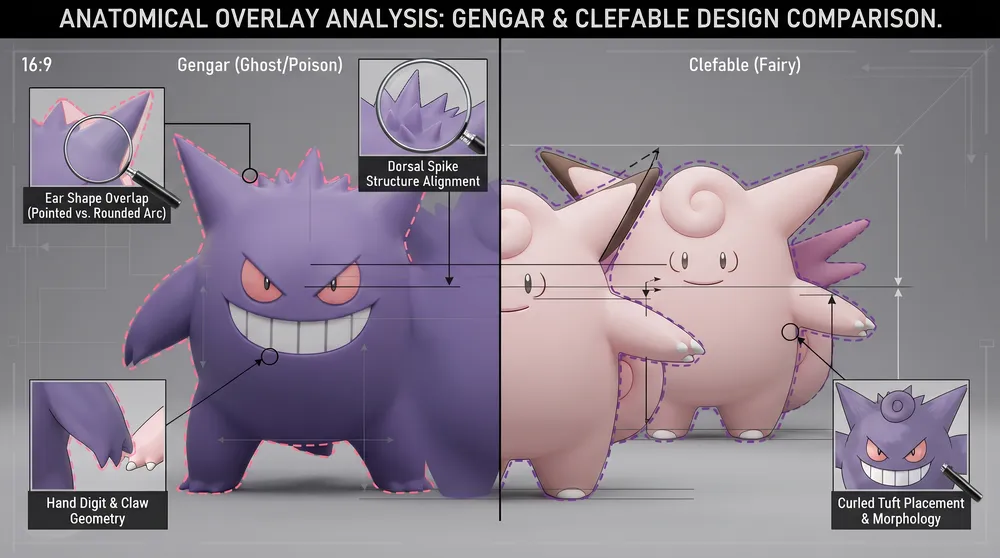
The Physical Parallels: Silhouette and Body Proportions
The foundation of the theory lies in anatomical overlap. When Ken Sugimori and the Game Freak team designed the original 151 monsters, sprite memory constraints favored efficient silhouettes:
-
Ears and Spikes: Clefable features two upright ears and small dorsal wings. Gengar features identical ear placements and spiky projections across its spine where wings would sit.
-
Hands and Feet: Both species share stubby, three-digit paws and three-toed feet.
-
Facial Geometry: Overlaying Clefable’s rounded body outline against Gengar’s frame produces a near-perfect silhouette match.
Species Categorization and Normal-Ghost Typing Mechanics
Beyond physical models, mechanical details from Generation 1 support the connection:
-
The Shadow Pokémon: Gengar is explicitly classified in the Pokédex as the Shadow Pokémon. The lingering community question has always been: whose shadow is it?
-
The Normal-Ghost Standoff: In Generation 1, Clefable was a pure Normal-type Pokémon (before receiving the Fairy type in Generation 6). Normal and Ghost attacks were completely immune to one another. Under classic RPG design logic, a creature cannot physically strike its own shadow, and a shadow cannot inflict direct physical harm on the body casting it.
-
Early Mascot Planning: Clefairy was originally conceived as the primary franchise mascot for the anime before Pikachu was selected. Giving the intended mascot a ghostly doppelgänger aligned with standard design tropes of early 1990s Japanese role-playing games.
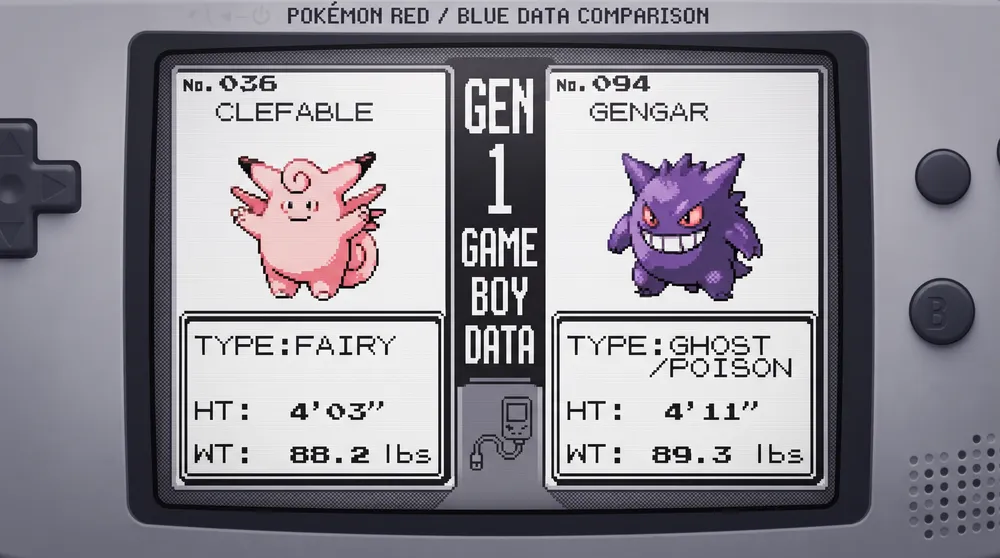
Fact vs. Fiction: Has Game Freak Ever Confirmed It?
While the visual connections are undeniable, the official status remains grounded in development reality:
-
No Canonical Confirmation: Neither Satoshi Tajiri, Ken Sugimori, nor Game Freak has ever officially validated the statement that Gengar is a deceased Clefable.
-
Official Pokédex Lore: Official entries describe Gengar as a transformed ghost born from human malice or former human spirits rather than deceased Pokémon lines.
-
The Design Consensus: Veteran developers have noted that shared silhouette geometry was common in early Game Boy spritework due to shared base templates. Whether an intentional design easter egg or a byproduct of 8-bit memory constraints, Gengar existing as the spiritual foil to Clefable remains one of the franchise's most iconic fan theories.


