Team Liquid Valorant: Roster Legacy, VCT EMEA Trophies, and Offseason Strategy
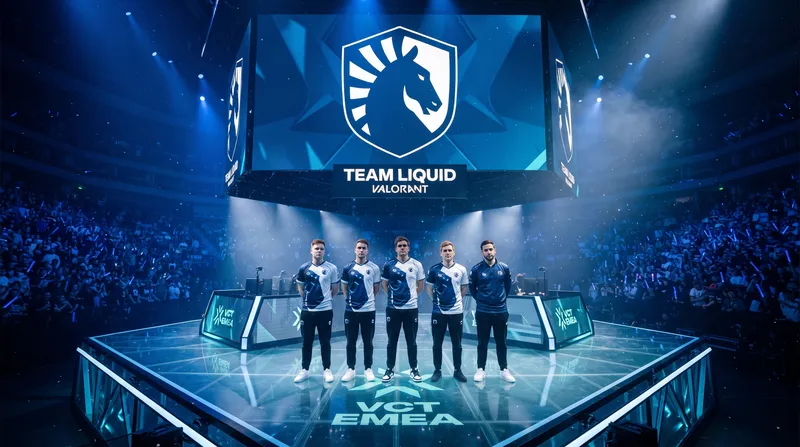
Few esports organizations carry the historical legacy of Team Liquid. From the earliest invitational ignition tournaments to the modern partnered franchise system, team liquid valorant has remained a central pillar of the European competitive circuit. However, competing in VCT EMEA requires navigating ruthless competition and continuous tactical evolution.
Building upon historical milestones detailed in our definitive breakdown of all VCT tournament winners in history, Team Liquid’s journey showcases the delicate balance between signing superstar mechanics and establishing systemic team cohesion.
Here is an analytical retrospective of Team Liquid's Valorant franchise, its greatest championship runs, and its current competitive trajectory.
The Genesis: The Fish123 Era and Early Dominance
Team Liquid entered the tactical shooter scene in August 2020 by acquiring the core of the British roster Fish123:
-
Foundational Talent: Centered around former CS:GO veterans including Adil "ScreaM" Benrlitom, Liquid relied on raw aim and aggressive contact duels during the Ignition Series era.
-
The Masters Reykjavik Benchmark: At the first international LAN in Iceland (Masters Reykjavik 2021), Liquid secured a top-four finish, establishing EMEA as an immediate global force.
-
Role Inconsistencies: Despite possessing mechanical firepower, Liquid frequently struggled with structured utility deployment, relying on individual hero plays rather than layered site executes.
The Apex: Conquering VCT EMEA
The organizational pinnacle occurred during the launch of the partnered VCT franchise model:
-
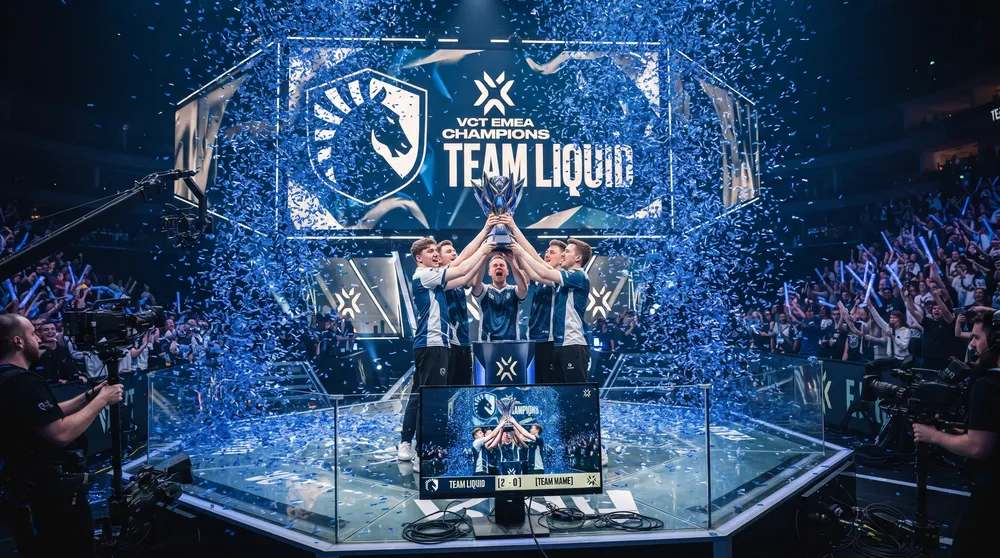
The 2023 VCT EMEA Championship: Liquid overhauled its roster by integrating championship-winning cores, creating a balanced five-man unit capable of playing disciplined default rounds.
-
Dethroning Fnatic: In a historic best-of-five grand final in Berlin, Team Liquid defeated back-to-back international champions Fnatic 3-1, hoisting the inaugural VCT EMEA trophy. The victory proved that Liquid could counter hyper-structured utility play with flexible mid-round calling.
-
International Ups and Downs: While domestic form peaked in Berlin, subsequent appearances at Masters Tokyo and Champions showcased vulnerabilities against high-tempo Asian rosters, leading to strategic tactical resets.
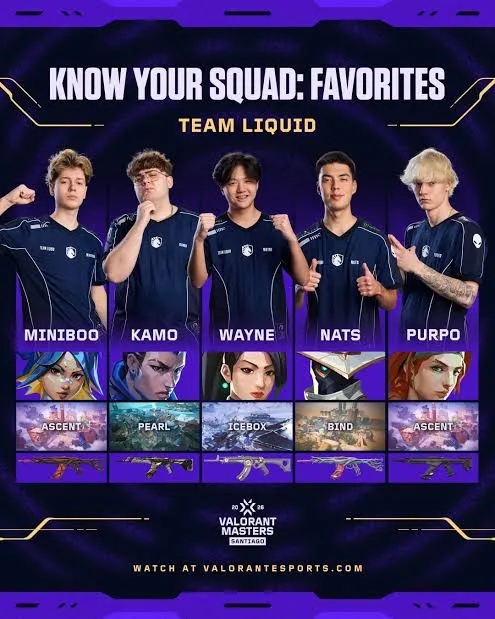
Tactical DNA and Identity: Adapting to Modern Meta Demands
Modern competitive Valorant no longer allows teams to win through raw aim duels alone. Team Liquid's long-term tactical philosophy centers on several core structural pillars:
-
Information-First Defaults: Liquid favors patient initiator play (leveraging Sova and Fade utility) to clear map quadrants methodically before committing to site hits.
-
Flexible Flex Roles: The organization has consistently prioritized hybrid flex players capable of switching between secondary Controllers and Sentinels depending on map picks.
-
Offseason Strategic Direction: In response to high-speed drafting shifts across the EMEA region, Liquid continues to invest in youth development and analytical coaching infrastructure, ensuring their playbook adapts to agent adjustments faster than regional rivals.
As the international calendar pushes forward, Team Liquid remains an apex competitor whose match history reflects the evolution of competitive Valorant from grassroots skirmishes into a global arena spectacle.