
Why Esports Viewership Continues to Break Global Records
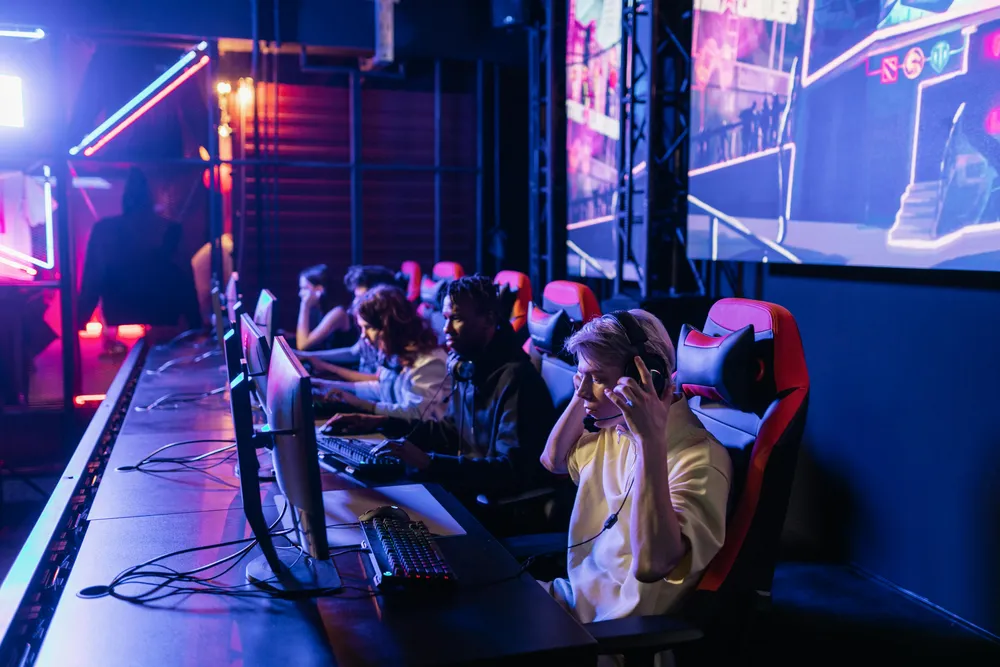
Question: What used to be a bunch of gamers playing on late-night streams and is now a global spectacle that packs out arenas and generates seven-figure prize pools?
Answer: esports. Now gaming’s biggest industry, it attracts the same level of fanaticism as the world’s major sports like football and basketball.
And it’s getting bigger. The numbers continue to climb every year, with viewing figures surpassing 700 million in 2026.
So, why is this happening? Why are millions of people choosing to watch other people play a video game for hours on end?
This article seeks to find the answer and lift the lid on the digital culture that’s attracting more young viewers by the day.
When esports stopped being “niche”
There wasn’t a single moment when esports “arrived”, as such. It seemed to break into the mainstream while most people were busy looking elsewhere.
A big part of that comes down to familiarity. The first generation that grew up playing online games is now older, with more spending power and more influence over what gets attention. Watching a match doesn’t feel strange to them, it feels normal. Following a favorite player or team sits comfortably alongside following a football club or a Formula 1 driver.
Publishers and tournament organisers also got sharper. Production improved, commentary became more polished, and events started to feel like proper spectacles rather than scrappy livestreams. Once that shift happened, it became much easier for new audiences to take it seriously.
What’s interesting is how little resistance there’s been. Instead of replacing traditional sports, esports have quietly taken their own space. People aren’t choosing them over other sports – they simply throw esports into their personal entertainment mix.
Streaming turned spectating into a habit, not an event
Esports stand out from traditional sports in that they don’t have a fixed broadcast slot or a weekly football list. Instead, they’re just always there.
Streaming platforms let you jump in and out whenever you like, no matter what time of day, and many people just let them run in the background while doing something else. They don’t demand the same close attention as, say, soccer does.
That means that, instead of waiting for a major final, fans spend hours with streamers and teams over time. They become more loyal because they get to know personalities, in-jokes, and playstyles. By the time a big tournament rolls around, the connection is already there.
It also makes it more accessible than many sports. You don’t need to understand every rule or strategy to enjoy what’s happening and you can pick things up as you go. Beginners often find that they can get up to speed pretty quickly, which increases the chances of them jumping back into it later.
Monetization and the expanding digital economy
Esports audiences are an active bunch. They don’t just watch, like a stereotypical “couch potato” sports fan, but they click, subscribe, buy merch, and explore. It doesn’t take a business expert to realize that this is a great money-making model.
The esports experience feels very fluid as a result. Coverage is built around this monetization – one minute you’re watching the game, the next you’ll get a smooth merch drop or a special offer related to the entertainment in front of you.
That’s where things get interesting commercially. Platforms are leaning into this overlap, introducing everything from in-game purchases to promotions like casino bonus codes, aimed at users who are already comfortable dealing with digital platforms and spending online.
These platforms recognize an engaged and curious audience that’s used to interacting rather than just observing. They then become not just viewers, but active participants in revenue.
Mobile gaming quietly supercharged global growth
Esports has had one key partner in its meteoric rise – mobile devices. PCs and consoles are still important, but smartphones have made it so much easier for players and viewers to interact.
Large-scale tournaments for mobile games pull audiences that rival established PC titles. In some regions, they even outperform them.
Also, if you can play on the same device you use every day, the gap between player and viewer shrinks and it feels more inclusive.
Traditional sports should probably be nervous
It’s getting harder for mainstream sports to ignore this little online upstart.
Younger audiences are spending more time watching digital competitions and less time on scheduled broadcasts. They prefer formats that are flexible, interactive, and easy to access.
Leagues and broadcasters are under pressure and are starting to adapt. They’re experimenting with shorter formats and more direct engagement, with some of those changes clearly borrowed from what esports has been doing for years.
It all comes down to competition for attention, and esports are very good at holding it.
What happens next
Growth at this scale doesn’t continue by accident. Esports brands are very deliberately anticipating future changes in their online world.
New titles will emerge, older ones will fade, and audiences will shift between them. What stays consistent is the underlying model: accessible content, strong personalities, and a highly engaged audience.
If those elements remain in place, viewership will keep moving upward. The format fits how people already spend their time online, which gives it a built-in advantage.
If esports brands can keep honing their growth strategy as they have been doing, then the sky really is the limit.


