How Esports Teams Make Money: Inside the Modern Professional Gaming Business Model
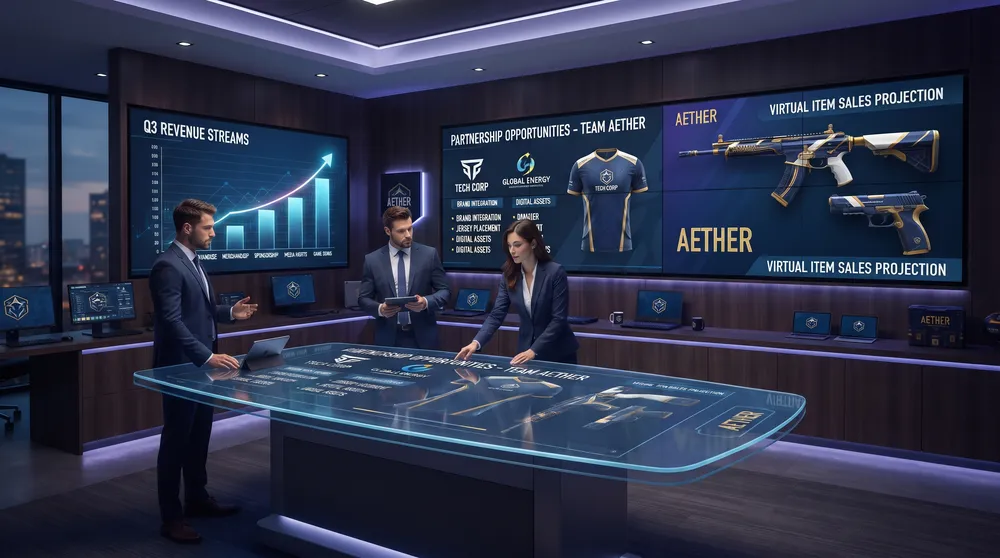
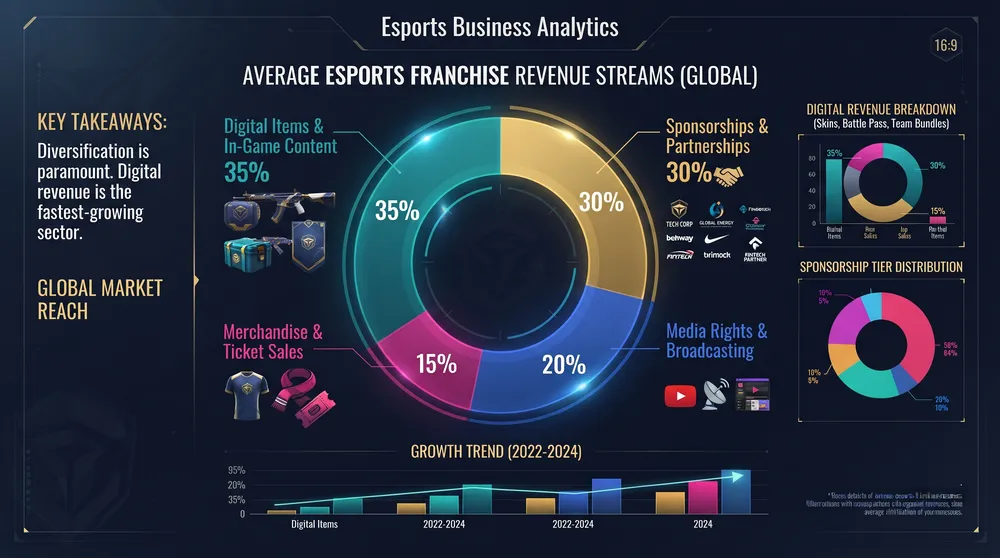
The professional gaming landscape has moved past the era of venture capital speculation into an era demanding operational sustainability. While casual fans focus on prize checks hoisted on arena stages, prize money represents a minor fraction of an organization's overall cash flow. Running successful esports teams requires building multi-faceted media brands with diverse, recurring monetization channels.
As seen in our strategic franchise profile of Team Liquid Valorant's roster history and trophies, remaining at the pinnacle of international competition demands financial resources to fund player salaries, training facilities, and analytical support staff.
Here is an economic breakdown of how modern esports organizations generate revenue, manage operational overhead, and build long-term value.
1. Digital In-Game Items and Publisher Revenue Sharing
The most impactful financial evolution in competitive gaming is direct digital item revenue sharing:
-
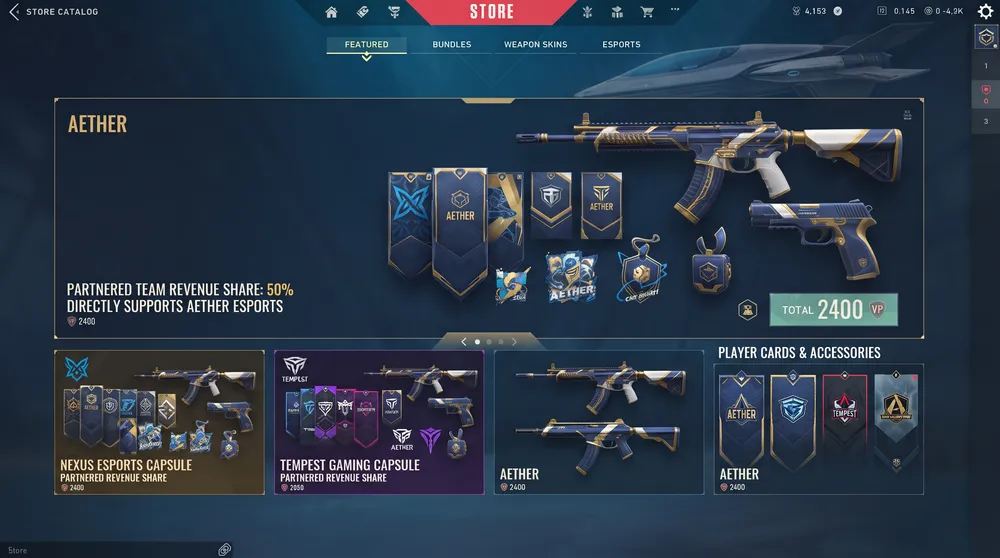
Team Skin Capsules & Bundles: In ecosystems like the Valorant Champions Tour and Counter-Strike Majors, publishers design in-game weapon skins, stickers, and banners sporting team logos. Riot Games and Valve share 50% of net profits directly with participating organizations.
-
Scalable Passive Income: Unlike physical merchandise that incurs manufacturing, storage, and shipping overhead, digital skins have near-zero marginal production costs. Successful capsules generate millions of dollars annually for popular franchises, providing baseline cash reserves independent of match outcomes.
-
Championship Bundles: Event-specific collections (such as the Valorant Champions bundle) pool sales proceeds into a central fund split among all qualifying teams, turning competitive qualification into an immediate six-figure payout.
2. Commercial Sponsorships and Corporate Partnerships
Sponsorships remain the primary revenue foundation for most esports franchises:
-
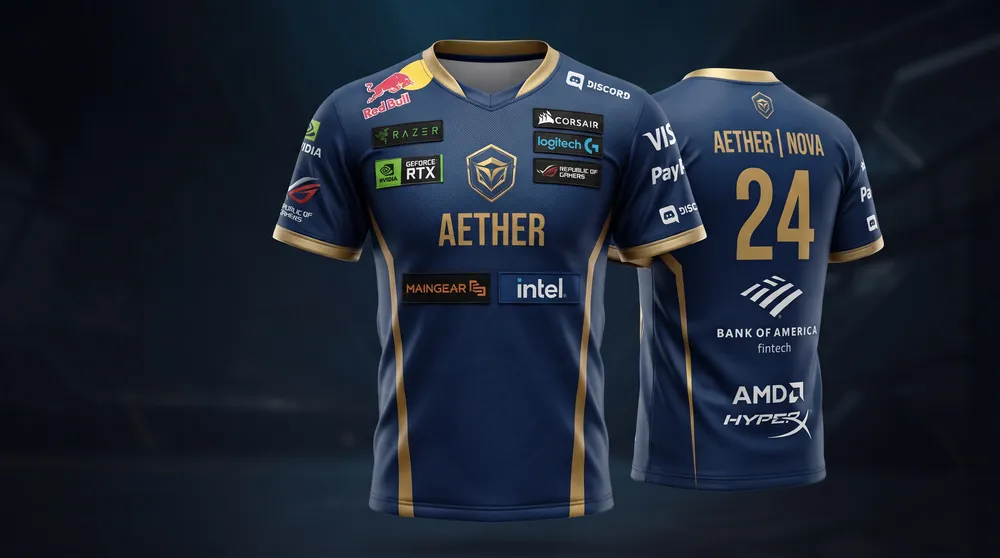
Naming Rights and Jersey Placements: Brands pay multi-million dollar annual retainers for front-of-jersey logo positioning, title naming rights (e.g., placing brand prefixes before team names), and dedicated social media activations.
-
Category Exclusivity: Organizations negotiate long-term agreements across key commercial categories, including computer hardware, energy drinks, telecommunications, and financial platforms.
-
Audience Alignment: Brands target esports organizations because traditional television advertising struggles to reach Gen Z and gaming demographics, making team partnerships an efficient vehicle for commercial exposure.
3. Content Creation and Influencer Media Networks
Winning tournaments generates prestige, but daily audience engagement drives consistent commercial valuation:
-
Talent Agencies Within Teams: Premier organizations contract full-time content creators, streamers, and YouTubers alongside competitive players. This guarantees consistent brand impressions even when the active tournament roster is in offseason downtime.
-
Original Programming: Teams monetize YouTube series, podcasts, and behind-the-scenes documentaries via programmatic ad revenue and native product placement deals.
-
Community Platforms: Managing active Discord servers and social communities allows teams to funnel organic traffic directly to commercial sponsors, increasing renewal rates on partnership deals.