Nvidia CEO Responds to DLSS 5 Backlash
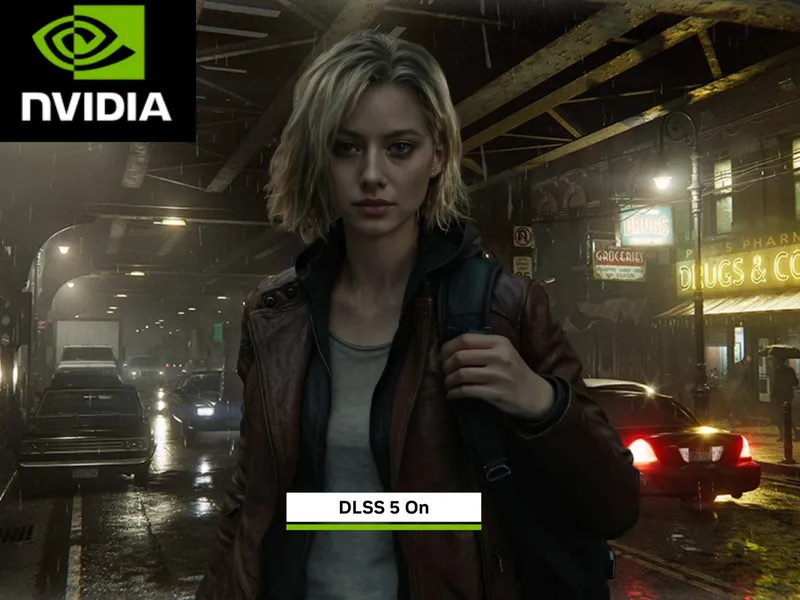
Nvidia unveiled its latest graphics innovation, DLSS 5, during GTC 2026, but the response from gamers has been far from positive.
The new version of DLSS introduces real-time neural rendering designed to enhance lighting and materials, aiming for more photorealistic visuals than ever before. However, many players and developers quickly raised concerns online.
Critics argued that the technology could unintentionally alter a game’s artistic style, with some even comparing the results to so-called “AI slop.”
Jensen Huang Responds to Criticism
Speaking on the Lex Fridman Podcast, Nvidia CEO Jensen Huang addressed the backlash directly.
He acknowledged the criticism, saying he understands why some people reacted negatively, even admitting, “I don’t love AI slop myself.”
However, Huang pushed back on the idea that DLSS 5 overrides artistic intent.
Artists Still Control the Vision
According to Huang, the technology does not replace or distort what developers create.
He explained that artists still define the geometry and structure of a game, while DLSS 5 works within those boundaries. The system enhances visuals but remains tied to the original assets built by developers.
Nvidia also clarified this point publicly, stating that DLSS 5 is not simply a visual filter and that developers maintain full control over how the technology is applied.
A Debate About AI in Games
Huang suggested that the backlash reflects a broader trend in gaming.
Players have become more aware of the differences between handcrafted visuals and AI-generated content, making them more sensitive to changes that might affect a game’s artistic identity.
In his view, the criticism shows that gamers care deeply about how games look and feel, even if some concerns may be based on misunderstandings of the technology.