
How Professional Esports Players Prepare for High-Pressure Matches
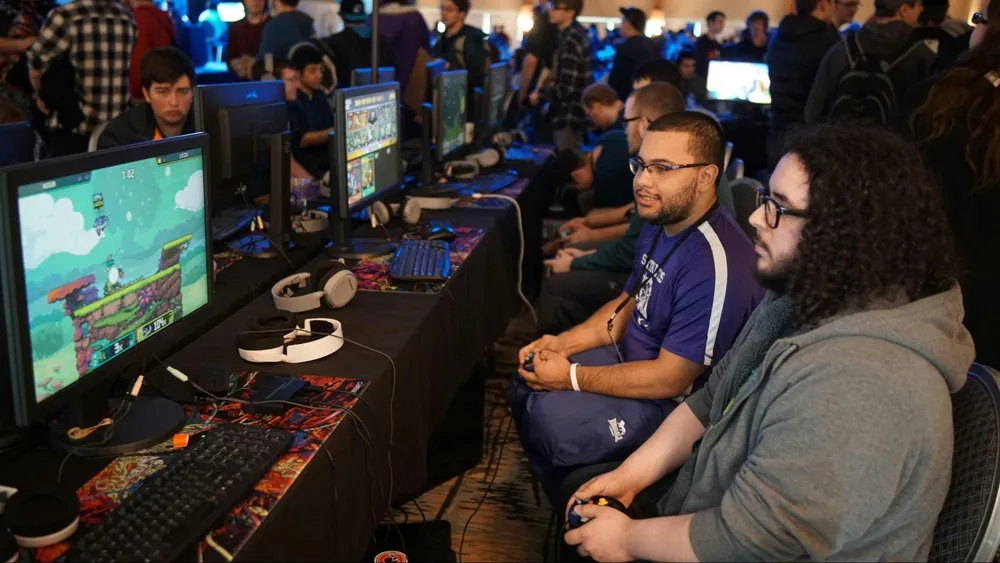
Professional esports matches can be decided in seconds, but preparation begins long before players sit down at their computers. At the highest level, mechanical skill alone is rarely enough. Competitors must understand opponents, communicate effectively, manage fatigue, and remain composed when thousands or even millions of viewers are following every decision.
The preparation increasingly resembles that found in traditional professional sports. Teams use coaches, analysts, structured practice schedules, performance reviews, and carefully planned routines. While approaches differ between games and organizations, successful preparation usually focuses on making match-day decisions feel as familiar as possible.
Practice Is About More Than Playing for Hours
Professional players may spend substantial time practicing, but simply playing more matches is not necessarily the most effective preparation. Structured training usually has specific objectives, whether that means testing strategies, improving communication, rehearsing particular situations, or correcting mistakes identified in previous games.
Scrimmages are especially valuable because they allow teams to practice against other high-level opponents without tournament results being at stake. A team might use one session to experiment with a new strategy and another to reproduce situations it expects to encounter against an upcoming opponent.
Individual practice remains important too. Depending on the game, players may work on aiming, movement, timing, character mechanics, resource management, or other specialized skills. The objective is repetition until important actions require less conscious thought under pressure.
Review is what turns those hours into useful information. Watching recordings allows teams to identify problems that were difficult to notice during the match itself. A decision that felt reasonable in the moment may look completely different once everyone can examine positioning, timing, and available information.
Players Need Ways to Switch Off Between Sessions
One difficulty with professional gaming is that the workplace and the entertainment device are often the same thing. After spending hours practicing on a computer, continuing to play competitively during every break can make it difficult to mentally separate training from downtime.
Players therefore need activities that genuinely feel different from structured practice. Some exercise, watch films, listen to music, spend time outside, or use other forms of casual digital entertainment. Someone might watch streams or use an online casino app, although gambling carries financial risk and should not be confused with the skill-based competitive environment of professional esports.
The important principle is psychological separation. Breaks should provide relief from the constant evaluation involved in professional play. When every gaming session becomes another opportunity to analyse rankings, statistics, or performance, mental fatigue can accumulate quickly.
Sleep is equally important. Late-night practice may occasionally be necessary because of schedules or time zones, but consistently sacrificing rest can undermine the concentration and reaction speed players are attempting to improve through training.
Teams Study Opponents Before Major Matches
Professional esports preparation is increasingly analytical. Teams can study previous matches to identify an opponent's preferred strategies, common opening decisions, map tendencies, character selections, rotations, and responses to particular situations.
This analytical approach has become part of the broader professionalization of competitive gaming. The International Olympic Committee has itself expanded its engagement with esports through the development of the Olympic Esports Games, reflecting the growing institutional recognition surrounding organized competitive gaming.
At team level, coaches and analysts can turn large amounts of match footage into practical information. Players do not necessarily need to remember every statistic. Instead, analysis should produce useful expectations: where is pressure likely to appear, which strategies should the team prepare for, and how might the opponent react when its initial plan fails?
There is a danger in overpreparing, however. Teams that become obsessed with predicting an opponent can hesitate when something unexpected happens. Strong preparation creates options without making players dependent on a single anticipated scenario.
The objective is therefore not to predict every move. It is to reduce surprises while preserving enough flexibility to respond intelligently when the match develops differently from practice.
Physical and Mental Routines Matter on Match Day
Esports does not require the same physical movements as football or basketball, but professional players still depend on their bodies to perform. Posture, hand comfort, hydration, meals, sleep, and general fatigue can influence concentration during long tournament days.
Many competitors establish consistent pre-match routines. These might include warming up mechanical skills, checking equipment, reviewing a few tactical priorities, eating at a familiar time, or briefly stepping away from screens before competition begins.
Consistency can reduce unnecessary uncertainty. A championship match already provides enough variables without discovering shortly before it begins that a mouse setting is wrong, a peripheral is uncomfortable, or nobody has agreed on how to approach an important tactical situation.
Managing nerves is another challenge. Feeling pressure before an important match is not necessarily harmful; the problem occurs when anxiety disrupts communication or causes players to abandon good decisions.
Teams can prepare for this by making practice more demanding. Scrimmages can include specific objectives, consequences, time pressure, or deliberately difficult scenarios. Players can also rehearse communication so that calls remain short and useful when everyone is under stress.
The aim is not to eliminate emotion. It is to prevent emotion from controlling decisions.
The Best Teams Prepare for What Happens When Plans Fail
No amount of analysis can guarantee that a professional match will unfold as expected. An opponent may introduce an unfamiliar strategy, a player may make an early mistake, or one unexpected moment may completely alter the momentum of a series.
This is why preparation needs to include recovery from mistakes. Teams that function well only when winning comfortably are vulnerable once a match becomes chaotic.
Communication is particularly important after something goes wrong. Blaming a teammate during a live match rarely helps solve the immediate problem. Strong teams communicate what matters for the next decision and leave detailed criticism for the post-match review.
Leadership can help stabilize these moments. Depending on the game, an in-game leader, captain, or experienced player may be responsible for simplifying decisions when pressure rises. Instead of trying to recover everything immediately, the team can return to familiar fundamentals and rebuild control gradually.
Preparation between games in a series is equally important. Players may have only a short period to discuss what happened, so teams need to distinguish between problems that require an immediate adjustment and issues better examined afterward.
Ultimately, professional esports preparation is about reducing the number of decisions that feel unfamiliar. Mechanical skills are rehearsed until they become reliable, strategies are tested before they are needed, opponents are studied, equipment is checked, and communication patterns are established.
Pressure never disappears completely, particularly when championships, careers, and substantial prize pools are involved. The advantage comes from reaching the decisive match with fewer things left to improvise. When preparation has been effective, players can devote their attention to the unexpected moments that actually decide the game.


