


Inside Vanguard: How Riot's Kernel Anti-Cheat Stops Modern Cheats in Valorant

In tactical shooters, milliseconds decide rounds. A single player running unauthorized memory modification software undermines competitive integrity. While aimbots and wallhacks have plagued PC gaming for decades, combatting valorant cheating led Riot Games to build Vanguard, a custom driver-level anti-cheat that altered industry security standards.
Understanding anti-cheat architecture explains why Valorant remains one of the cleanest competitive environments in esports.
Here is an analytical breakdown of how Vanguard operates, how it detects memory tampering, and why hardware-level cheating is being tackled at the firmware layer.
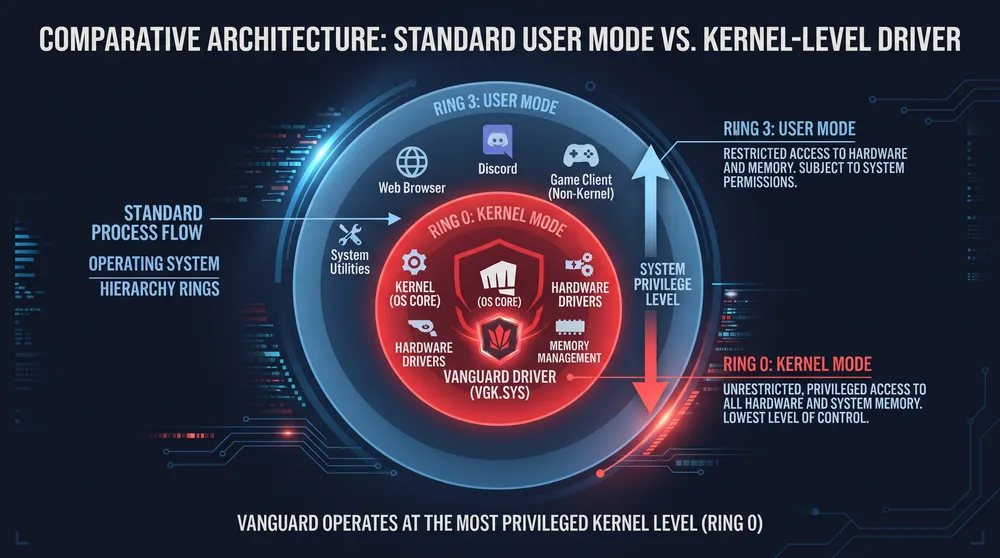
Ring 0 Kernel Architecture vs. Traditional Anti-Cheat
Most classic anti-cheat engines (such as Valve Anti-Cheat) traditionally operated at Ring 3 (User Mode). At this level, the anti-cheat is simply an application running alongside the game:
-
The Privilege Disconnect: If a cheat developer creates a cheat that operates as a Windows system driver (Ring 0 / Kernel Mode), that cheat has higher system privileges than a Ring 3 anti-cheat. The cheat can hide its memory addresses, lie to the operating system, and manipulate game data completely undetected.
-
Vanguard's Driver Model (
vgk.sys): Riot designed Vanguard with its own Ring 0 kernel driver. By initializing when the operating system boots, Vanguard validates that no untrusted third-party kernel drivers have hooked into system memory before the game client even launches.
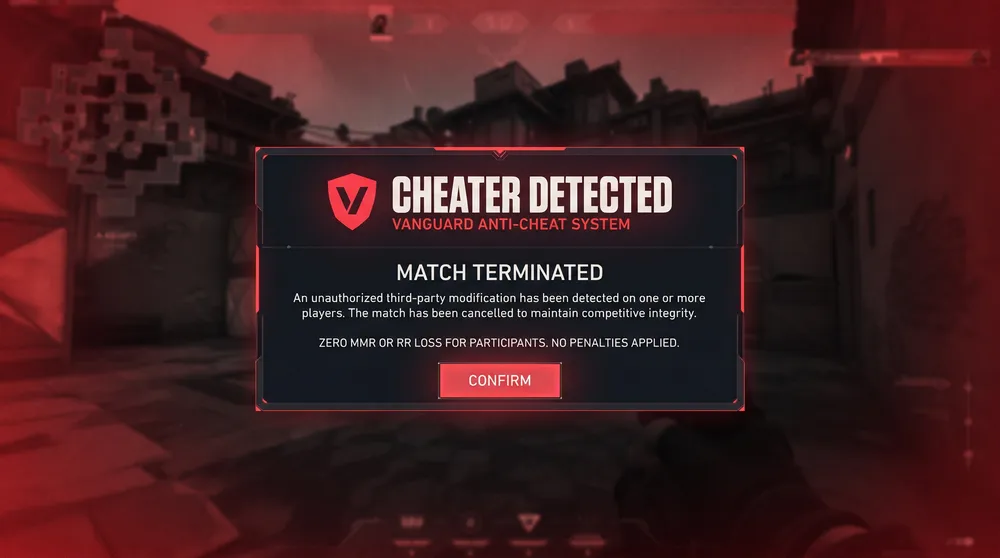
Countering Direct Memory Access (DMA) and Firmware Spoofers
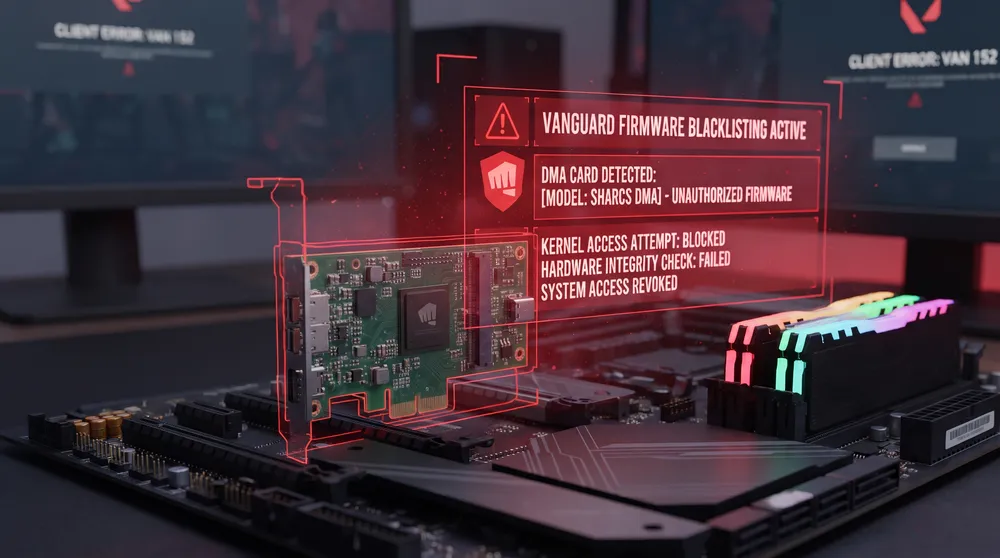
As software-based cheats became easily detectable by Vanguard, illicit developers pivoted toward external hardware solutions, primarily Direct Memory Access (DMA) cards:
-
How DMA Hardware Operates: A secondary physical card is slotted into the user's PCIe bus. An external second computer connects via USB or high-speed data cables to read the game computer's RAM directly. Because no unauthorized software runs on the main game PC, traditional process scanners see clean system files.
-
Vanguard's Hardware Blacklists: Riot counters DMA hardware by analyzing PCIe configuration space headers, verifying hardware device IDs, and checking for unauthorized memory read frequencies. Firmware spoofers attempting to mask DMA cards as generic network cards or sound cards are flagged through memory access timing discrepancies.
-
Hardware ID (HWID) Bans: When Vanguard detects an exploit, it does not just ban the Riot Account; it issues a permanent HWID ban tied to the motherboard BIOS UUID, drive serials, and CPU parameters, preventing banned users from creating new accounts on the same machine.
Mandatory TPM 2.0 and Secure Boot Enforcement
Valorant was the first major competitive esport to require TPM 2.0 (Trusted Platform Module) and UEFI Secure Boot on Windows 11:
-
Cryptographic Hardware Identity: TPM 2.0 provides hardware-rooted security keys. This makes spoofing motherboard serial numbers significantly harder for banned players, as altering cryptographic trust certificates requires specialized hardware tools.
-
Driver Signature Enforcement: Secure Boot ensures that only cryptographically signed, verified drivers can load into the Windows kernel at startup, preventing unauthorized cheat drivers from bypassing Vanguard's initialization checks.
Through continuous server-side statistical heuristics (such as automated "fog of war" systems that omit enemy positioning coordinates until sightlines clear), Vanguard attacks cheating from both the physical machine and the game server.


